Rubbish clearance Cranbrook Road Ilford access tips
Posted on 14/10/2026
Rubbish clearance Cranbrook Road Ilford access tips: a practical guide for smoother collections
If you're arranging rubbish clearance on Cranbrook Road in Ilford, access is often the difference between a quick, tidy collection and a frustrating delay. Narrow driveways, parked cars, shared entrances, basement steps, time restrictions, and awkward item placement can all slow things down. The good news? A little planning goes a long way. These Rubbish clearance Cranbrook Road Ilford access tips are designed to help you prepare your property, avoid common access problems, and make the whole process easier for everyone involved.
Whether you're clearing a flat near the station, a family home, or a busy commercial unit, the aim is simple: make it safe, efficient, and predictable. That means thinking about where the team can park, how far they need to carry waste, what items are easiest to move first, and whether there are any building-specific quirks. Truth be told, most problems are small ones - but small problems have a habit of becoming big at 8:00 in the morning.
In this guide, you'll find practical access advice, a step-by-step preparation plan, a comparison of different clearance methods, and a realistic checklist you can use before collection day. You'll also see where service pages such as the full services overview, pricing and quotes guidance, and insurance and safety information fit into the bigger picture.
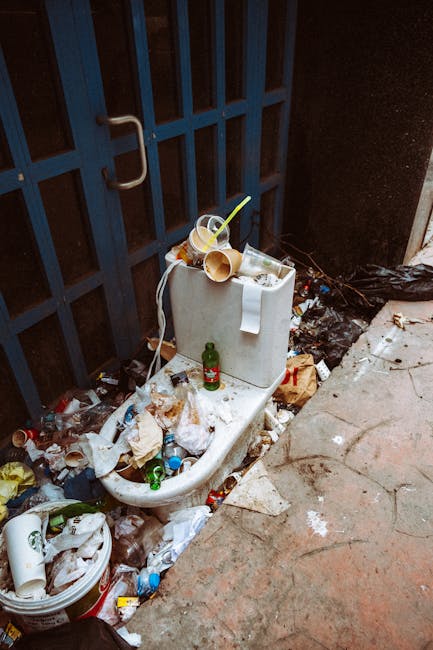
Why Rubbish clearance Cranbrook Road Ilford access tips matters
Access sounds like a small detail until it isn't. On a road like Cranbrook Road, where traffic can be steady and parking may already be tight, poor access planning can affect timing, safety, and cost. A clearance team may need to carry items a long way, navigate steps or shared hallways, or work around limited stopping space. That all adds time and, sometimes, risk.
For the customer, access affects more than convenience. It can influence whether bulky items can be removed in one visit, whether the job needs more labour, and whether the quote stays close to the original estimate. If a sofa is stuck behind a narrow stairwell or a skip-style pile is scattered across different rooms, the job can become much more labour-heavy than expected. In our experience, people usually think about the rubbish itself first and the route to it second. Fair enough - until collection day arrives.
Good access planning matters for landlords, homeowners, tenants, shop owners, builders, and managing agents. It also matters if you're booking a broader service such as domestic waste collection in Ilford, house clearance, or commercial waste removal, because each type of property brings its own access issues.
Key takeaway: better access usually means quicker loading, fewer surprises, safer handling, and a smoother experience all round. That's the simple version, anyway.
How Rubbish clearance Cranbrook Road Ilford access tips works
Access planning for rubbish clearance is basically about removing friction before the crew arrives. The cleaner the route from waste pile to vehicle, the faster the collection can happen. That route might be from a front garden to the pavement, from a third-floor flat down a stairwell, or from a rear alley to a loading point on the road.
The process usually works like this:
- You describe the property and the rubbish. Mention flat access, steps, gates, parking constraints, lift availability, and any time restrictions.
- A quote is prepared. Clear access details help keep pricing accurate. For more on this, see pricing and quotes.
- The team plans the approach. They decide what equipment, staffing, and vehicle access may be needed.
- Collection day arrives. The team loads items safely and, where possible, keeps disruption to neighbours and pedestrians to a minimum.
Access planning also helps with special items. For example, a heavy wardrobe or washing machine may need two people, gloves, and a careful route through the building. If the item is part of a larger service, you may want to review the relevant page such as furniture removal or white goods and appliance disposal.
One small but useful point: it's not just about getting waste out. It's also about preventing damage on the way out. Corners, bannisters, communal floors, and freshly painted walls can all be vulnerable if the route is tight. A little planning really does spare a lot of awkwardness.
Key benefits and practical advantages
Planning access properly gives you benefits you can actually feel on the day. Not theoretical benefits. Real ones.
- Faster clearance: Less time spent manoeuvring means the job can often be completed more efficiently.
- Better value: Accurate access information helps avoid unnecessary labour time and improves quote accuracy.
- Safer handling: A clear route reduces the chance of slips, trips, and awkward lifting.
- Less disruption: Neighbours, tenants, and customers are less likely to be disturbed if the collection is well organised.
- Lower damage risk: Walls, doors, and communal areas are easier to protect when the route is known in advance.
- More flexibility: Knowing the access constraints helps the team choose the best vehicle position and loading method.
For landlords and agents, this can be especially helpful during changeovers or pre-sale clearances. If you're dealing with a property move or preparing a flat for market, it may be worth pairing clearance planning with a look at Ilford property transactions and the local property investment guide for a broader view of how presentation and timing can affect the job.
In plain English: good access planning saves time, protects property, and makes the whole thing feel less chaotic. Who doesn't want that?
Who this is for and when it makes sense
These access tips are useful for almost anyone arranging waste removal in Cranbrook Road or the wider Ilford area, but they're especially relevant in a few common situations.
- Flat owners and tenants: If the rubbish has to move through stairwells, lifts, or shared entrances.
- Homeowners with limited frontage: If there's no driveway, or the front garden gate is narrow.
- Landlords and letting agents: If you're booking a turnaround clearance between tenancies.
- Shop owners and office managers: If collections need to fit around customers, deliveries, or opening hours.
- Builders and trades: If rubble, packaging, or mixed site waste needs to be loaded quickly from a busy frontage.
- Anyone with bulky items: Sofas, mattresses, fridges, wardrobes, and broken appliances always deserve a little planning.
It also makes sense if you have special access needs. That might mean wheelchair access considerations, a steep stairwell, a secured entry system, or a long carry from the nearest legal stopping point. If you want to check how a provider handles inclusive service details, see the accessibility statement. If you need reassurance around the firm itself, about us is usually the right place to start.
Sometimes the best time to think about access is before you even book. You know the property. You know where the awkward pinch points are. So use that local knowledge. It helps.
Step-by-step guidance
Here's a practical way to prepare rubbish clearance access on Cranbrook Road without overcomplicating it.
1. Walk the route from waste to vehicle
Start at the pile of rubbish and follow the route out of the property. Notice narrow doors, tight turns, steps, low ceilings, heavy gates, and any areas that might snag furniture or bags. If you wouldn't want to carry a mattress through it yourself, say so early.
2. Check parking and stopping space
Think about where a vehicle can legally stop and how far the team will need to carry waste. On busier roads, this matters a lot. A few extra metres can be fine; a long carry through several doors and a shared corridor is a different story. If you have any doubts, mention them when requesting a quote so the crew can plan properly.
3. Separate items by type if you can
Keeping furniture, appliances, bagged waste, and builder's debris in different piles often speeds things up. It also helps with sorting and recycling later. For mixed waste, a service like builders waste removal may be more suitable than a standard household collection.
4. Clear the route before collection day
Move bikes, shoes, plant pots, hallway clutter, and fragile items out of the way. Even small obstacles can matter when someone is carrying a bulky item. A quick tidy-up can save more time than you'd expect. Honestly, it's one of the easiest wins.
5. Unlock gates, doors, and bin-store areas
If the team needs access to a rear garden, basement, or shared storage space, make sure the relevant keys, codes, or entry instructions are ready. Nothing stalls a job quite like waiting for a gate code that's buried in someone's phone, or worse, forgotten.
6. Protect the route where needed
For delicate flooring or freshly decorated spaces, you can use temporary protection such as dust sheets or cardboard runners. This is especially helpful in narrow hallways or communal areas. It's a small detail, but it shows care.
7. Confirm item restrictions in advance
Certain items may require specialist handling or separate arrangements. White goods, paint, chemicals, and some electrical items can't just be treated like ordinary rubbish. If you're unsure, check the provider's services overview or the specific disposal page for the item type.
That's the simple version. No drama, no guesswork. Just a cleaner route and fewer surprises.
Expert tips for better results
Once the basics are covered, a few small improvements can make the whole clearance smoother. These are the kind of details people often miss until they've been through a few collections.
- Measure awkward items. A wardrobe or sofa may fit through one door but not another. Width matters more than people think.
- Take photos before the booking. A couple of clear pictures of the access route can be more useful than a long description.
- Be honest about stairs. "A few steps" and "three flights of stairs" are not the same thing. Not even close.
- Plan around neighbours and deliveries. On a busy road, access can change quickly during school runs, peak times, or loading windows.
- Keep the most important items closest to the exit. If there's only time for one quick pass, put the heavy or urgent items first.
- Ask about sorting and recycling. If sustainability matters to you, review recycling and sustainability before collection day.
There's also a practical trust angle here. A good company should be clear about how it works, how it handles waste, and how payments are processed. If you're comparing providers, pages like waste carrier licence and compliance and payment and security are worth checking. It's not glamorous reading, admittedly, but it tells you a lot about professionalism.
One extra tip: if the job is time-sensitive, tell the team what "urgent" actually means. Same day? Before noon? Before tenants move in at 3pm? Specific beats vague every time.
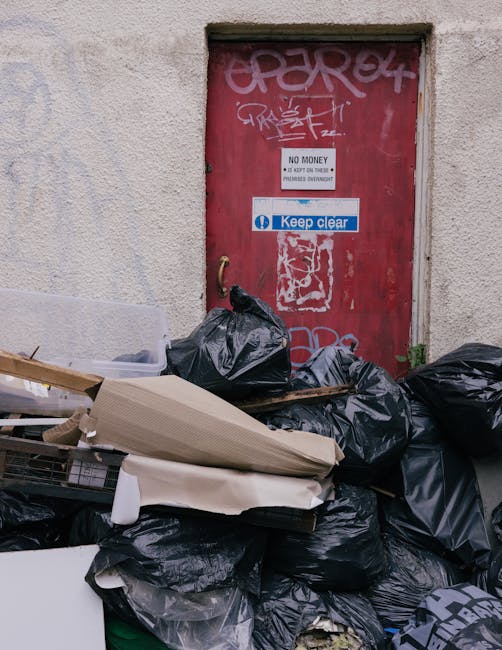
Common mistakes to avoid
Most access issues are avoidable. Here are the mistakes that tend to create trouble - and how to sidestep them.
- Underestimating distance: "It's not far" can still be a tiring carry if the route is awkward.
- Forgetting about parking: If a vehicle cannot stop nearby, the collection may take longer than expected.
- Leaving items behind doors: Closed rooms, locked sheds, or items split across floors slow everything down.
- Not mentioning stairs or lifts: This is one of the biggest causes of avoidable delay.
- Mixing restricted items with general waste: That can cause sorting complications on site.
- Ignoring communal rules: In flats or managed buildings, access may need prior approval or timed entry.
Another common slip is assuming access will sort itself out on the day. It usually won't. If a code is missing, a gate is locked, or a vehicle can't park where expected, the schedule can drift fast. And once one job slips, the rest of the day can start to feel like a domino run.
It's also worth avoiding overly optimistic descriptions when getting a quote. If the access is tight, say so. If the route includes steps, say so. Being upfront is not a problem; it's how you get a realistic service.
Tools, resources and recommendations
You do not need specialist kit to prepare for most rubbish clearance jobs, but a few simple tools help.
| Tool or resource | Why it helps | Best for |
|---|---|---|
| Phone camera | Photos show access issues better than a quick verbal explanation | Quotes, stairs, narrow entrances, bulky items |
| Measuring tape | Helps check item width, doorways, and clearances | Furniture, appliances, tight hallways |
| Dust sheets or cardboard | Protects floors and skirting along the route | Homes, flats, decorated interiors |
| Labels or marker pen | Makes it easier to separate what stays and what goes | House clearances, mixed rooms, storage areas |
| Booking notes | Keeps gate codes, access times, and special instructions in one place | Managed buildings, commercial premises, busy households |
If you're not sure where to start, a few support pages can help you compare services and expectations. The house clearance page is useful for full-property clearances, while garden waste removal may be more relevant if the access issue is through the side return or rear garden. If you're handling a one-off larger item, furniture removal in Ilford is often the most direct fit.
For broader support around local living and place-specific context, some readers also find the area content helpful, especially what locals say about life in Ilford and navigating Ilford. They give a useful sense of the local rhythm, which can matter when planning access and timing.
Law, compliance, standards and best practice
For rubbish clearance, compliance is not just a back-office detail. It affects how waste is carried, where it goes, and whether it is handled responsibly. While this article is about access, the access plan should still fit within proper waste-handling practice.
In the UK, it's sensible to use a provider that can demonstrate lawful waste carriage, appropriate handling, and a clear approach to safety. You can learn more about these expectations on the waste carrier licence and compliance page. If the job involves heavier lifting, stairs, or tight manoeuvring, it also makes sense to review insurance and safety.
Best practice usually includes:
- clear communication about access constraints;
- safe lifting and carrying methods;
- care around communal areas and shared property;
- appropriate separation of recyclable and non-recyclable items where possible;
- transparent terms and service expectations.
For customers, a simple rule helps: if something feels unsafe, awkward, or legally sensitive, raise it before booking. That might be a locked basement, a communal fire exit, or a pile of materials from a renovation that includes specialist waste. Better to ask once than guess twice.
You may also want to review the provider's terms and conditions and privacy policy if you're sharing address details, access notes, or payment information online. Small step, but sensible.
Options, methods and comparison table
Different access situations call for different approaches. Here's a simple comparison to help you think it through.
| Method | Best for | Pros | Possible downside |
|---|---|---|---|
| Kerbside collection | Properties with easy front access and nearby parking | Fast, simple, usually efficient | Not ideal for long carries or restricted parking |
| Front-of-property loading | Houses with direct access to the road or driveway | Good balance of speed and convenience | May still need careful planning on busier roads |
| Internal clearance | Flats, offices, and properties with indoor waste locations | Useful when items are inside the building already | More handling time, especially with stairs or lifts |
| Rear or side access | Homes with gardens, alleyways, or side gates | Can keep disruption low at the front of the property | May depend on gate width, keys, and route condition |
| Full-property clearance | Large clear-outs, probate, or move-out jobs | Efficient for multiple rooms and mixed waste | Requires the most planning and communication |
If you are comparing service types, it helps to match the access route to the waste type. A builder's load with rubble and timber is different from a family house clearance or a single appliance pickup. That is why service pages like builders waste removal and appliance disposal are useful reference points rather than just category labels.
Case study or real-world example
Here's a realistic example from the sort of job many people in Ilford face.
A resident on Cranbrook Road needed a mixed rubbish clearance after redecorating a two-bedroom flat. The main issue wasn't volume. It was access. The flat had one narrow internal staircase, a communal entrance, and limited stopping space outside. There was also a bulky wardrobe that would not fit comfortably around the turn on the stairs if it was carried upright.
Instead of leaving everything for collection day, the resident sent a few photos of the stairwell and measured the wardrobe before booking. The team could then plan a safer route, decide which items would need to be broken down first, and allocate enough time for the carry. The result was straightforward: no last-minute surprises, fewer trips up and down, and less risk to the walls and bannisters.
The bit that stood out most was not the actual rubbish. It was the prep. A 10-minute walkthrough saved a lot of stress later on. The resident said it felt surprisingly calm, which, if you've ever done a flat clearance on a weekday morning, you'll know is a small miracle.
That same logic applies to other local clearances too - whether it's a home near Valentines Park, a shopfront with tight access, or a rental property being turned around quickly. If the route is clear, the job usually is too. That's the magic, if you want to call it that.
Practical checklist
Use this checklist before collection day. It keeps things simple and helps you spot issues early.
- Confirm the address and exact collection point.
- Check whether a vehicle can stop nearby legally.
- Note any steps, lifts, narrow doors, or steep paths.
- Unlock gates, sheds, side returns, and communal entrances.
- Remove trip hazards from hallways and access routes.
- Separate bulky items from loose bagged waste.
- Keep fragile items away from the clearance path.
- Share photos if the access route is complicated.
- Tell the provider about any time restrictions or building rules.
- Check if any items need special disposal handling.
- Review pricing, payment, and booking details in advance.
- Keep your contact phone close on the day.
Quick summary: if you can make the route easier, you probably should. That one habit improves almost every clearance job.
Get a free quote today and see how much you can save.
Conclusion
Good rubbish clearance on Cranbrook Road is rarely about brute force. It is usually about planning, clear communication, and a route that makes sense. When you think through access before the team arrives, the whole process becomes easier to manage - safer, quicker, and far less stressful.
If you're booking a clearance, do the small things well: measure the awkward bits, mention the stairs, share a photo or two, and be honest about parking. Those simple steps go a long way. And if you're comparing services, check the practical pages that explain how the company works, how waste is handled, and what to expect from the process.
Good access saves time. Better access saves headaches. And sometimes, that's the difference between a messy job and one that just feels handled.